Bedroom reading nook storage: making small oak pieces work
What a reading corner needs from storage
A bedroom reading corner is a small area with several jobs. It needs to hold books close to hand, keep a cup or lamp steady, leave enough room to sit comfortably, and still look calm when the bed is made. Storage in this part of the room works best when it does more than hide clutter. A narrow bookcase, a low cabinet, or a compact shelf can shape the corner and make it feel intentional.
Oak living room furniture often gets discussed in relation to sofas and media units, but the same pieces can suit a bedroom nook when the scale is right. Solid oak has a natural finish that sits easily with fabrics, painted walls, and softer lighting. The useful point is not that every item must match. It is that a few well chosen wood tones and simple shapes can make a tight corner feel settled rather than crowded.
The idea suits compact rooms because storage can be placed vertically. An 80 cm wide bookcase is a useful size to picture in a bedroom, study, or living room, as it gives shelving without taking the floor space of a wider unit. In a reading corner, that width can hold current reads, a basket for magazines, and a small object or two, while still leaving room for a chair or cushion.
Start with the space around the chair
Before choosing a shelf or cabinet, work out where the seating will sit. A reading corner usually forms around a chair, a window seat, or the end of a bed. Once that spot is fixed, storage can be arranged around it. The aim is to keep daily items within easy reach and leave a clear path into the corner.
Think about the height of the seat and the height of the storage. A shelf that starts too high can feel awkward in a small room, while a tall unit right beside the chair may make the space feel closed in. Lower shelves are useful for books that are picked up often. Higher shelves can hold less used items, such as spare throws, boxes, or decorative pieces.
Door clearance matters more than many people expect. A wardrobe door, bedroom door, or cabinet door can swing into the area where a bookcase might sit. The same applies to drawers. A compact unit only helps if it can be opened without pushing the chair aside each time. Leave a little breathing room around the front and sides, especially where the unit sits near a doorway.
Radiator position can also shape the plan. A bookcase pressed against a warm radiator is not ideal for books or finishes, and a chair placed directly in front of heat can be uncomfortable. If the reading spot sits near a radiator, a shelf on the adjoining wall may be a better choice. The aim is a corner that is dry, comfortable, and easy to keep tidy.
Choosing the right storage shape
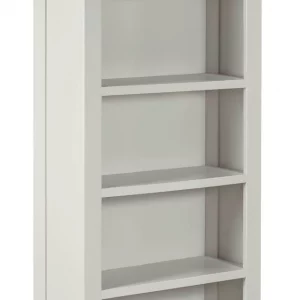
A small bookcase is the most direct option for a reading corner. It gives visible storage, which helps when books are used regularly. Open shelves also make a room feel larger because the eye can travel through them. The trade off is dust and visual noise, so a few closed baskets or boxes can help. They break up the shelves and stop every gap looking like it needs filling.
A cabinet with a top surface can work if the corner needs somewhere for a lamp, notebook, or cup. Closed storage hides items that do not look tidy, such as chargers, spare glasses cases, or paperbacks with mixed covers. The trade off is that books are less visible, so this works better as a second piece beside a small shelf rather than the only storage.
A narrow side table with a lower shelf can fill a gap beside a chair. It will not hold a large collection, but it can keep a few current books, a pen, and a drink within reach. In a bedroom, this can be more practical than a full bookcase if the corner is very tight. It also keeps the floor area open, which helps the room feel less busy.
Solid Oak Furniture UK is one way people refer to solid oak pieces when planning a room around natural wood. In a reading corner, oak works best when the grain and finish are allowed to do much of the visual work. A simple shelf with clean lines can sit beside upholstery, woven baskets, and a soft rug without needing lots of ornament.
Making a small bookcase feel useful
The way shelves are filled changes how the corner feels. A bookcase packed from top to bottom can look heavy in a bedroom. A mix of books, empty space, and a few baskets usually feels calmer. Place taller books together, then use a horizontal stack to break the line. Leave one shelf partly empty if the room is small, as that space gives the eye a rest.
Weight is worth thinking about. Books are heavier than they look, especially in rows. A solid piece with stable sides and a sound back is better suited to this job than a flimsy shelf that flexes. If the unit is freestanding, check that it sits flat on the floor. A bookcase that rocks slightly will become more noticeable once it is loaded.
In homes with children or pets, tall units may need securing to the wall. That is a matter of safety rather than style. If there is any doubt about how to fix a unit securely, especially where walls are unusual or hidden services may be present, the fix is a job for a qualified professional. The same applies if a wall fixing involves drilling near pipes or cables.
Reading corners often collect small items. Bookmarks, glasses, pens, remote controls, and lip balm can gather on any flat surface. A shallow tray or small box on one shelf keeps them together. It also makes the corner easier to reset at the end of the day. This matters in a bedroom, where clutter can quickly spill into the rest of the room.
Blending the corner with the rest of the room
A bedroom reading nook can feel separate without feeling unrelated. Repeating one material helps. If the bedside table is oak, an oak bookcase nearby can create a link. If the room is mostly painted furniture, a single natural wood piece can add warmth. The key is to keep the tones consistent enough that the corner looks planned.
Oak living room furniture can also guide choices for a study area in the same room. A compact bookcase beside a desk can hold reference books, while a small cabinet below or nearby can store paper and stationery. Desk height and shelf height should be considered together, because a shelf that is too low may make the workspace feel cramped. Where the same room serves as a bedroom and home study, storage should support both uses without taking over.
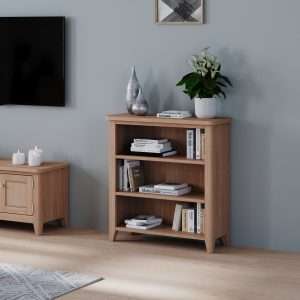
Lighting changes how storage looks. A warm lamp beside the chair makes oak tones appear softer, while a cool overhead light can make the same wood look flatter. If the bookcase sits near a window, daylight will show the grain clearly. That can be a strength, but it also means dusty shelves are more noticeable. A quick wipe and a tidy row of books will keep the corner looking cared for.
Solid Oak Furniture UK may come to mind when the plan is to keep the room grounded in solid wood, but the wider design point is simpler. Choose storage that fits the corner, suits the way books are used, and leaves enough space to sit comfortably. The best arrangement is usually the one that makes the reading spot easy to use every day.
A practical way to picture the finished corner
Imagine the corner in three layers. The first layer is seating, with enough room to sit and stand without squeezing past furniture. The second is daily storage, such as a small side table or the lower shelves of a bookcase. The third is background storage, such as higher shelves, baskets, or a cabinet for items used less often.
This approach keeps decisions clear. It also stops a small space being filled with too many pieces. One compact bookcase, one small surface, and a basket or two may be enough. If the room has an awkward wall, a narrow unit can sit there without dominating the layout. If the corner is beside a window, keep the tallest storage to one side so light still reaches the seating area.
A good reading corner does not need to look like a miniature library. It needs to make reading easy and pleasant. Storage should put books where they can be reached, keep small items under control, and leave the chair as the clear focus. With a little attention to width, height, door clearance, and finish, even a compact oak piece can make a bedroom corner feel ordered and welcoming.